Helps manage cabin heat
Window film rejects part of the sun’s energy to help keep the cabin more comfortable in warm weather.

Choose a tint percentage and see how the windows change. Compare the look before you decide what feels right.
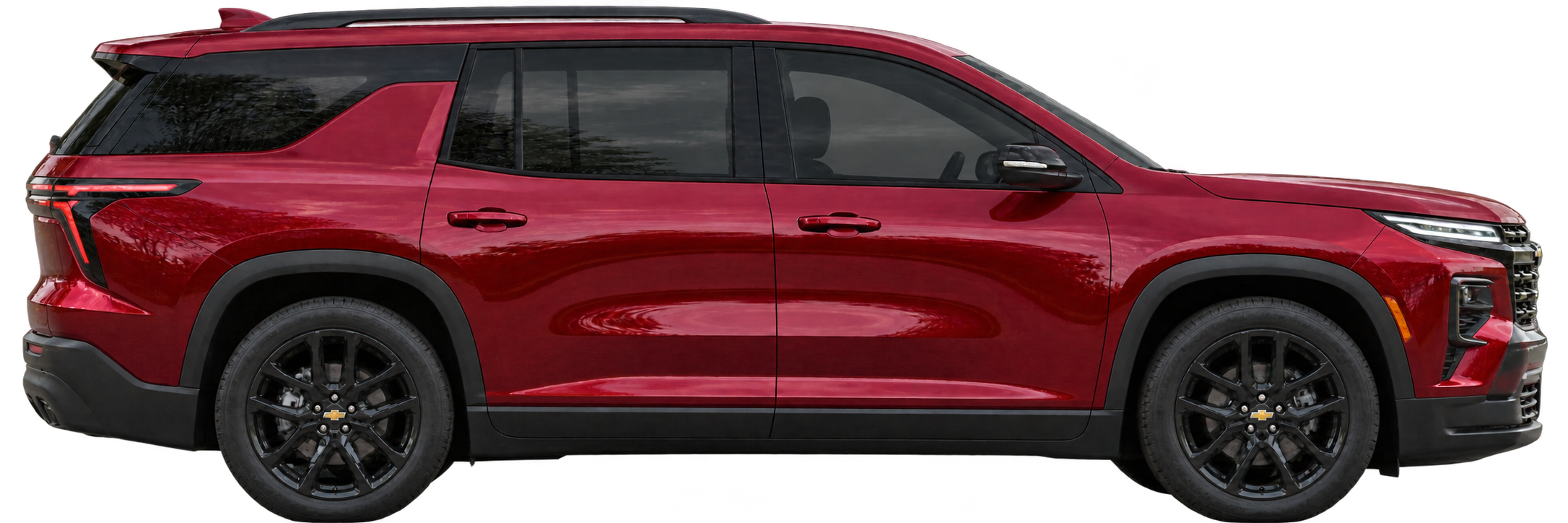
Lower percentages are darker. 5% is the darkest shade shown; 70% is the lightest.
Window tint can make daily driving more comfortable while adding a clean, finished look.
Window film rejects part of the sun’s energy to help keep the cabin more comfortable in warm weather.
Rogue Eclipse Carbon and Carbon Ceramic films block 99% of harmful UV rays.
Tint can soften harsh sunlight and reduce glare during daytime drives.
Reducing UV exposure helps protect seats, trim, and other interior surfaces from sun damage.
Select a shade to balance the appearance, privacy, and light you want. The right choice depends on the glass and how you use the vehicle.
Rogue automotive films are designed not to interfere with your vehicle’s electronics.
Both offer a clean black appearance and 99% UV rejection. Carbon Ceramic is the higher heat-rejection option in Rogue’s published figures.
A carbon film for a clean, classic look with glare reduction and strong everyday protection.
Combines the carbon look with ceramic technology for a stronger heat-rejection performance.
Manufacturer-published figures shown at 20% VLT. Actual installed appearance and performance vary with factory glass, film shade, vehicle, and conditions. TSER is total solar energy rejection; IR rejection measures infrared energy only.
The percentage is visible light transmission (VLT): how much visible light passes through the film and glass. A lower number looks darker; a higher number looks lighter. Your vehicle’s factory glass also affects the final appearance.
Tell us your vehicle and what you want from your tint. We’ll help you find a good fit.
This preview is for comparing appearance. The result on your vehicle can vary with its glass, interior, lighting, and film. Tint laws also vary by window and vehicle type; check Iowa tint standards before choosing a shade.